
Scale and Balance Calibration Service
The importance of calibrating weighing scales and balances is essential and crucial. Whether the weighing instruments are used in pharmaceutical laboratories or warehouses, it is vital that the scales maintain their accuracy. Regulatory bodies, internal quality assurance guidelines and customers may audit and demand specific accuracies from the scales which impact the final quality of the product.
Scales, balances and weights are often heavily used instruments in settings such as laboratories, manufacturing and quarries. As such, gravimetric deviations in readings are inevitable. This calls for frequent calibrations to be conducted to ensure that the accuracy remains within a tolerable and compliable range.
The team at Calworld Technologies is highly skilled in calibrating, servicing and repairing scales of any “make and model” with a low turnaround time. We aim to give you a piece of mind so that you can use your scales and balances knowing that they are functioning accurately. Contact us today to find out more!

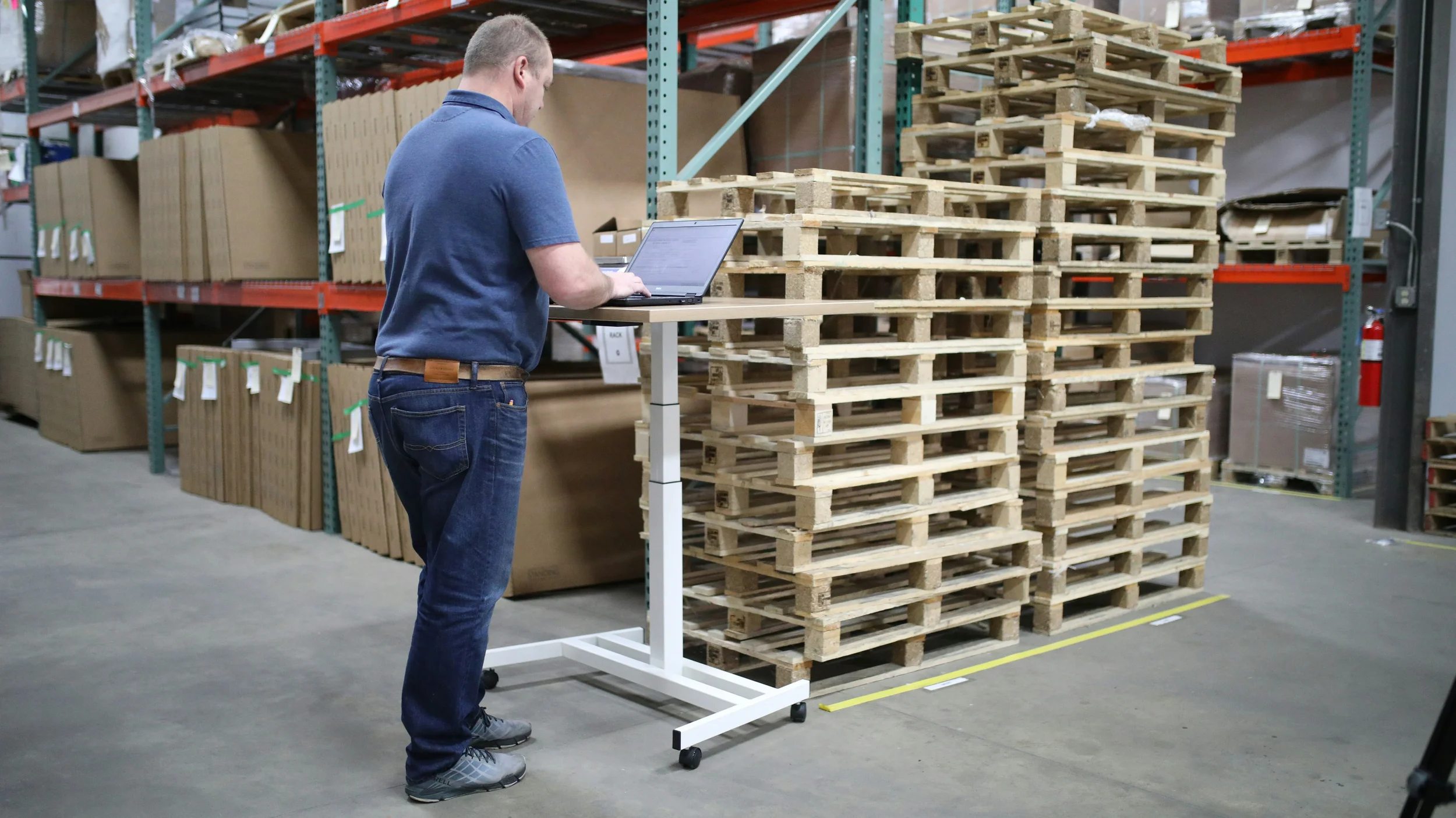
We provide calibration services for a wide range of weighing instruments, including…
✔ Platform and floor scales
✔ Bench and counter scales
✔ Analytical and precision balances
✔ Retail and shop scales
✔ Hopper and tank weighing systems
✔ Baby and medical scales
✔ Moisture balances
✔ Test and calibration weights
How a job runs, start to finish
1
ENQUIRE
Call or send a quote request with your instrument type and location.
2
SCHEDULE
Book a time that suits you, including weekends and after hours.
3
CALIBRATE
Our technicians calibrate on-site or in-lab against traceable reference standards.
4
DISPATCH
Calibration certificate issued, usually within 1-2 business days.
Digital Scales Calibration
Weight scale calibration services include calibrations of both digital scales and analogue scales. Digital scales use digital sensors to measure weight, whereas analogue scales use a mechanical spring system. Although digital scales calibration services are more common today, analogue scales are still subject to inaccurate readings. A similar confusion exists between the terms scale and balance. Although the terms “scales” and “balances” are used interchangeably in everyday life, the technical definitions of scales and balances are different.
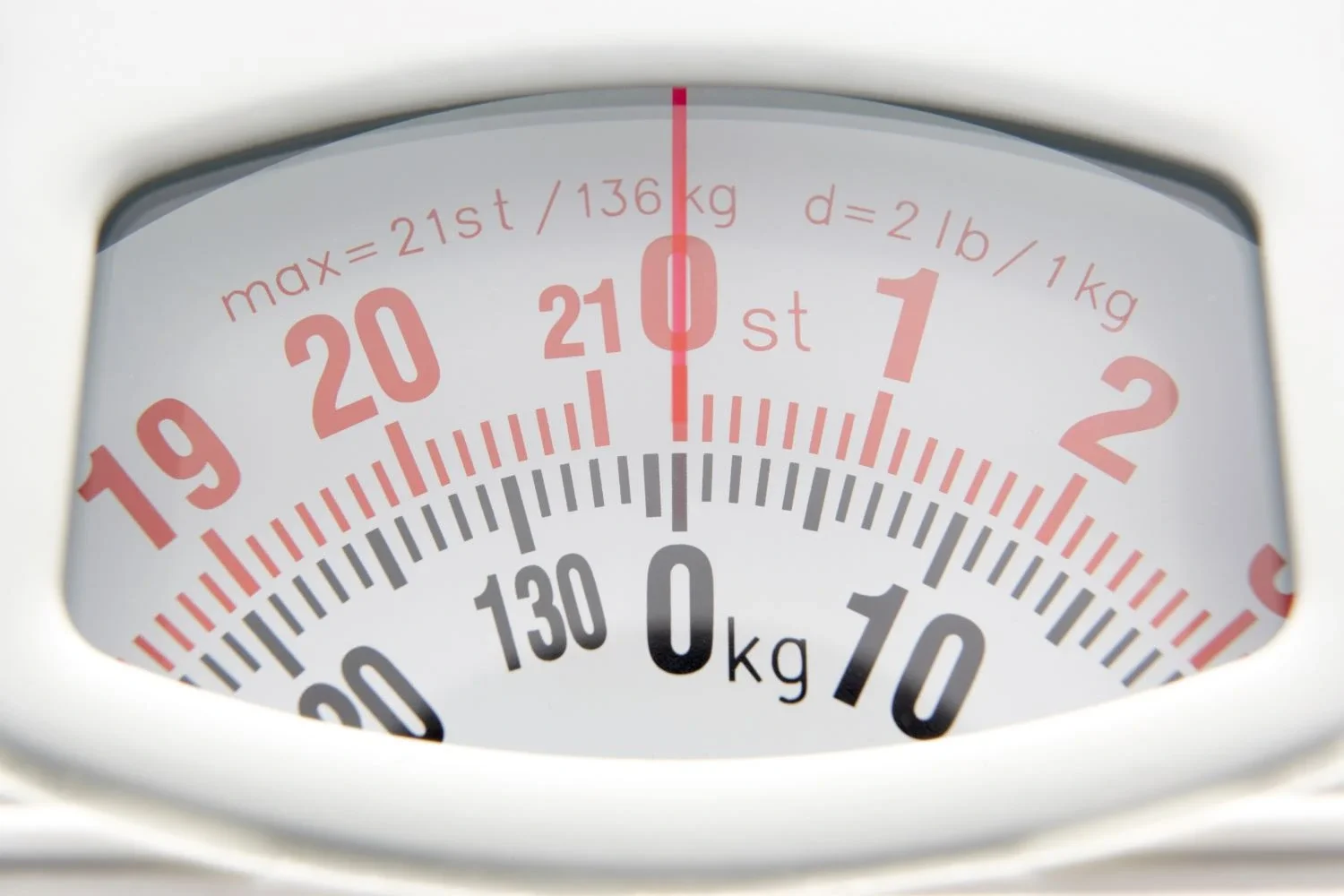
Scales measure weight.
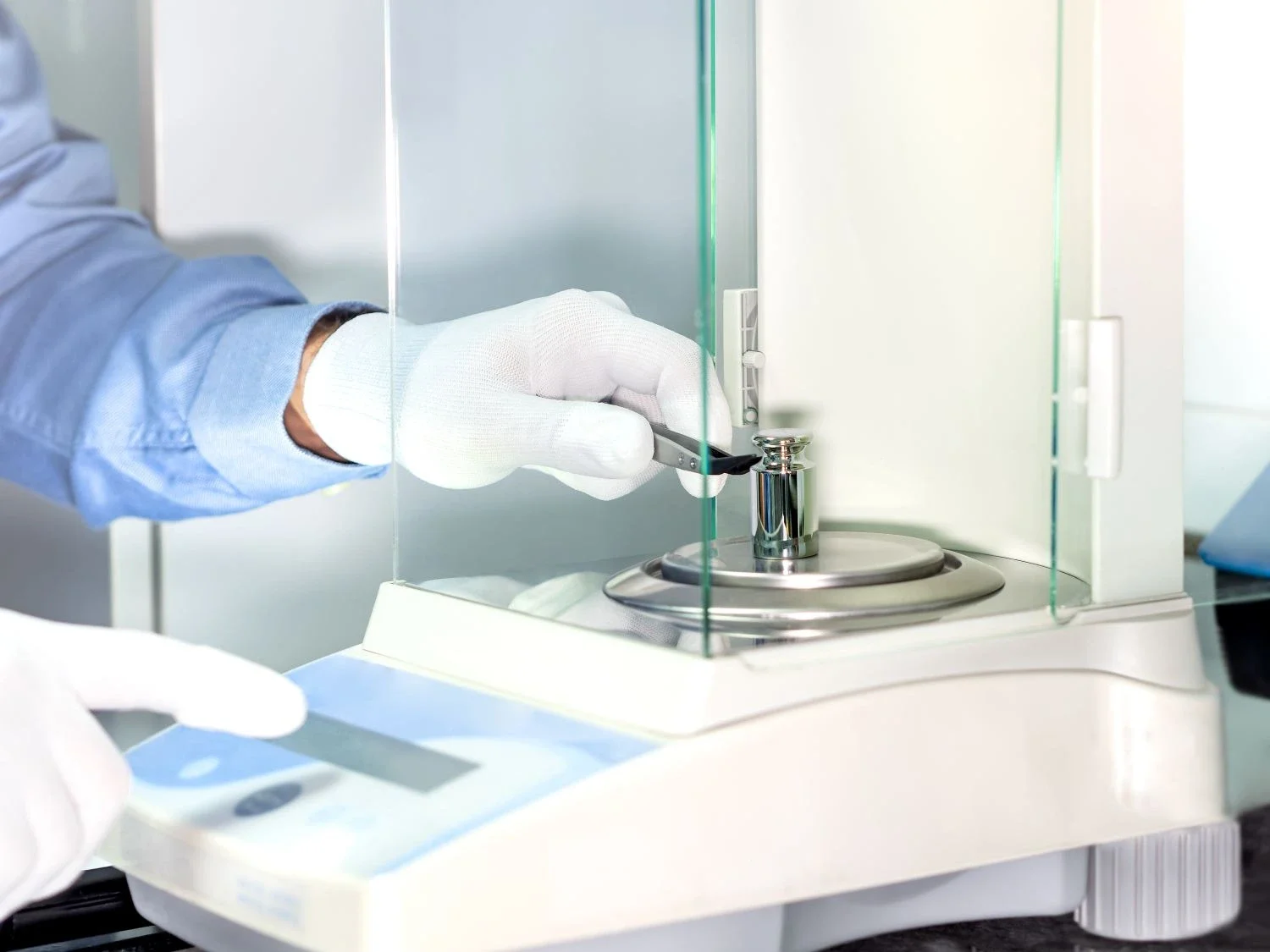
Balances measure mass.
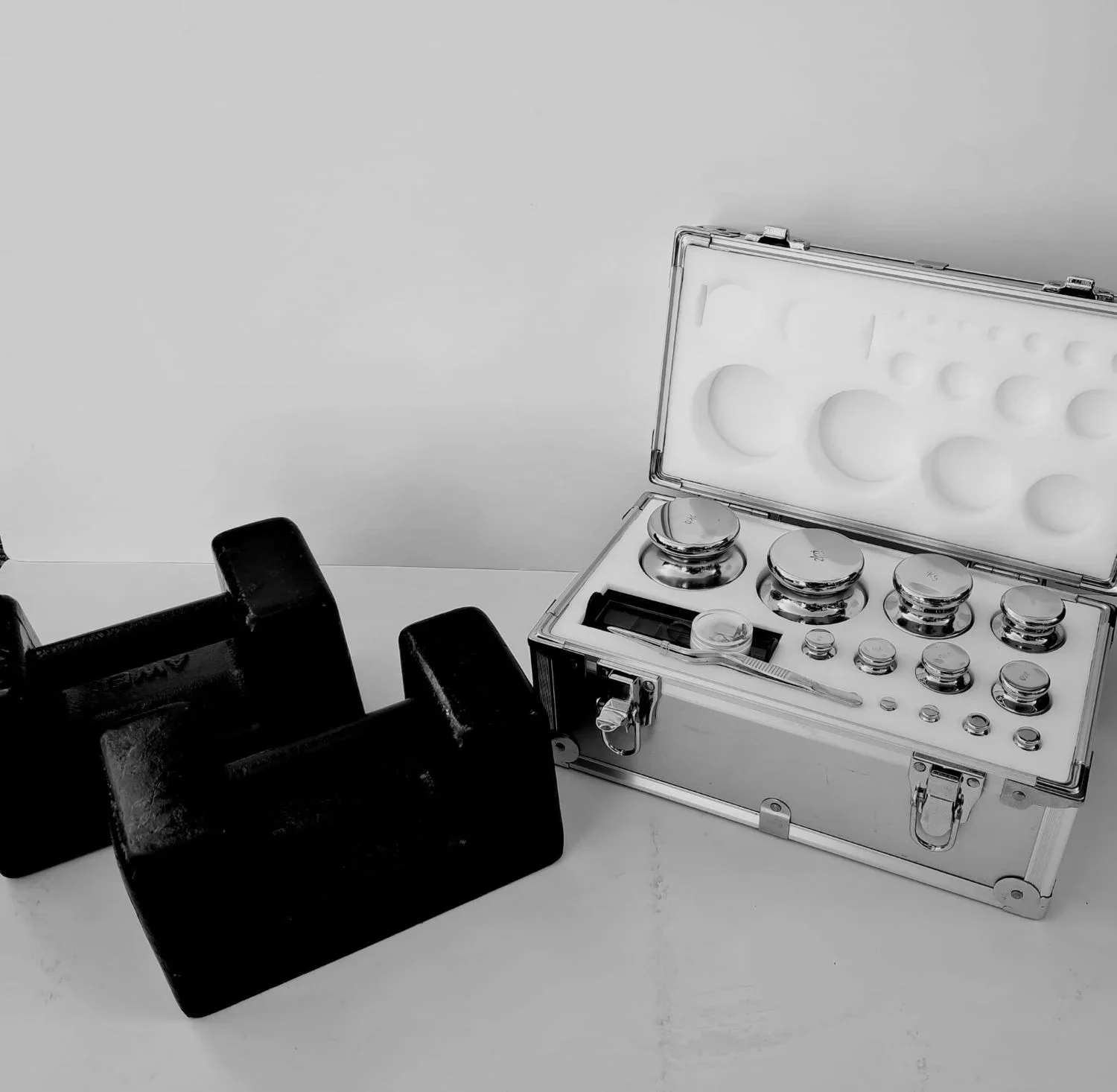
Calibrated weights measure the accuracy of a scale or balance.
Frequently Asked Questions
-
The surface of the scale or balance is cleaned to ensure a flat surface. Standard test weights are placed on the weighing instrument and the measurement is taken. Variances are calculated from the master reading and the unit under test (U.U.T). Any inaccuracies are then adjusted for. It is important to use the appropriate class of test weights when conducting the calibration for a digital scale or balance.
-
Most Australian businesses calibrate annually as a baseline, but the right interval depends on use and consequence. A bench scale weighing ingredients hundreds of times a day in a food plant should be calibrated more often than an identical scale used twice a week in a storeroom. Consider how heavily it's used, how harsh the environment is (dust, moisture, vibration and temperature swings all accelerate drift), what happens if it's wrong, and what your auditor or quality system specifies. Many food businesses also perform daily or weekly in-house checks with a known test weight between professional calibrations.
-
It depends on the number and type of instruments, their capacity, whether the work is on-site or in-lab, and how many test points you need. Per-instrument cost drops substantially when several scales are calibrated in one visit, since the call-out is shared. Send us a list of what you have for a fixed quote.
-
You can perform routine in-house checks with a certified test weight, and for high-use instruments that's good practice between services. But an in-house check isn't a calibration as it doesn't establish traceability to national standards, and won't satisfy an auditor asking for documented evidence. Use in-house checks to catch problems early, and professional calibration to demonstrate compliance.
-
A typical bench or platform scale takes around 10–20 minutes including testing and documentation. Larger instruments, multi-point calibrations and instruments needing adjustment may take longer. If you have several scales at one site we'll usually complete them in a single visit.