
Thermometer Calibration Service
Thermometers are one of the most commonly used instruments today and are used in almost all types of industries. Temperature measurement is particularly critical in commercial applications involving dry heat ovens and furnaces, cool rooms, refrigerated trucks, medical freezers, IR thermometers, and many more!
Despite thermometers being simple instruments, it is important for them to be correctly calibrated to ensure their accuracy. The consequences of a poor thermometer calibration service could result in freezers being too warm and furnaces being too cold.
The team at Calworld Technologies are qualified professionals who can assist and answer any queries you may have regarding temperature calibrations. It is our goal to ensure that your thermometers are reading accurately. Our guaranteed service ensures we are accountable to you, so please don’t hesitate to get in touch today.
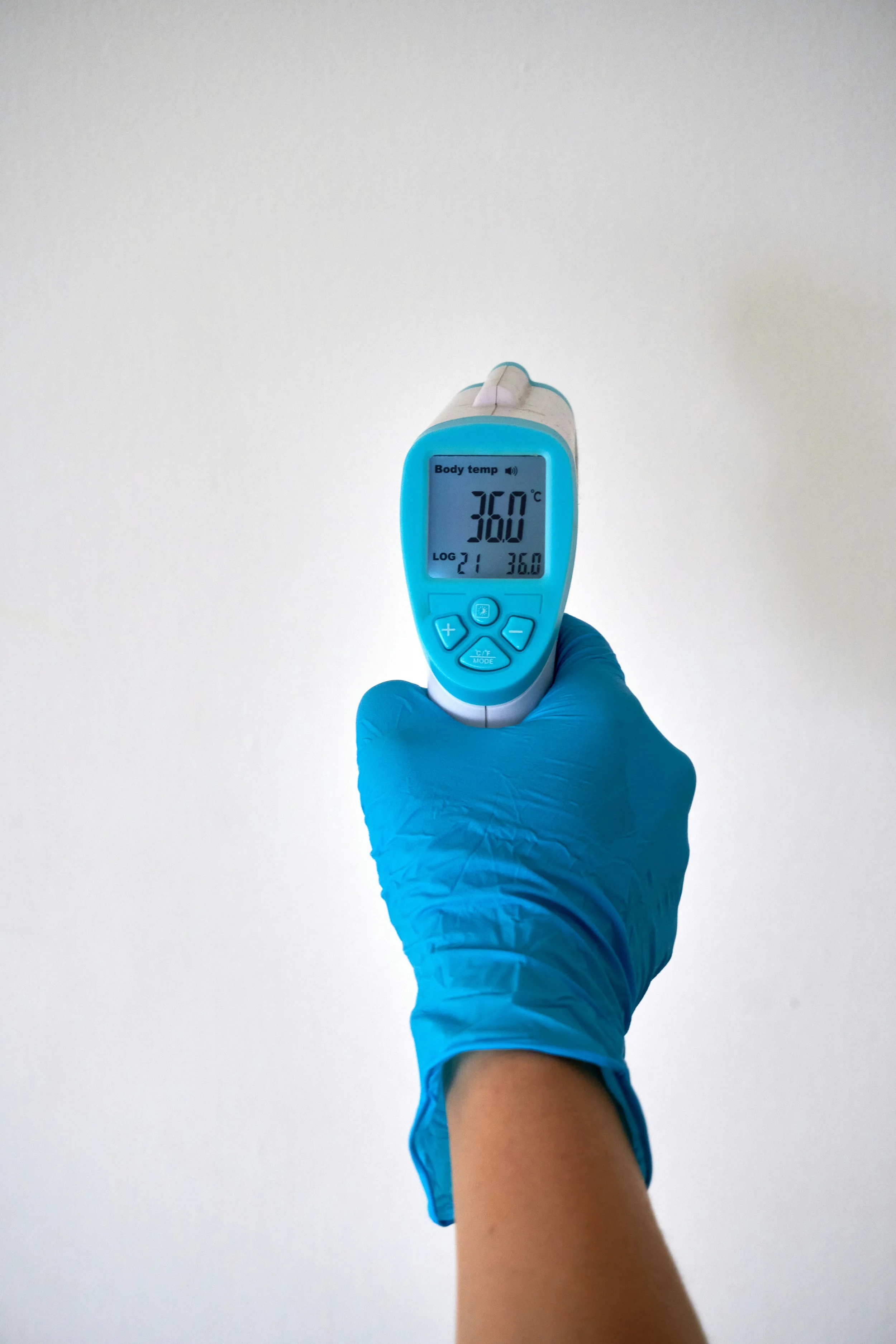
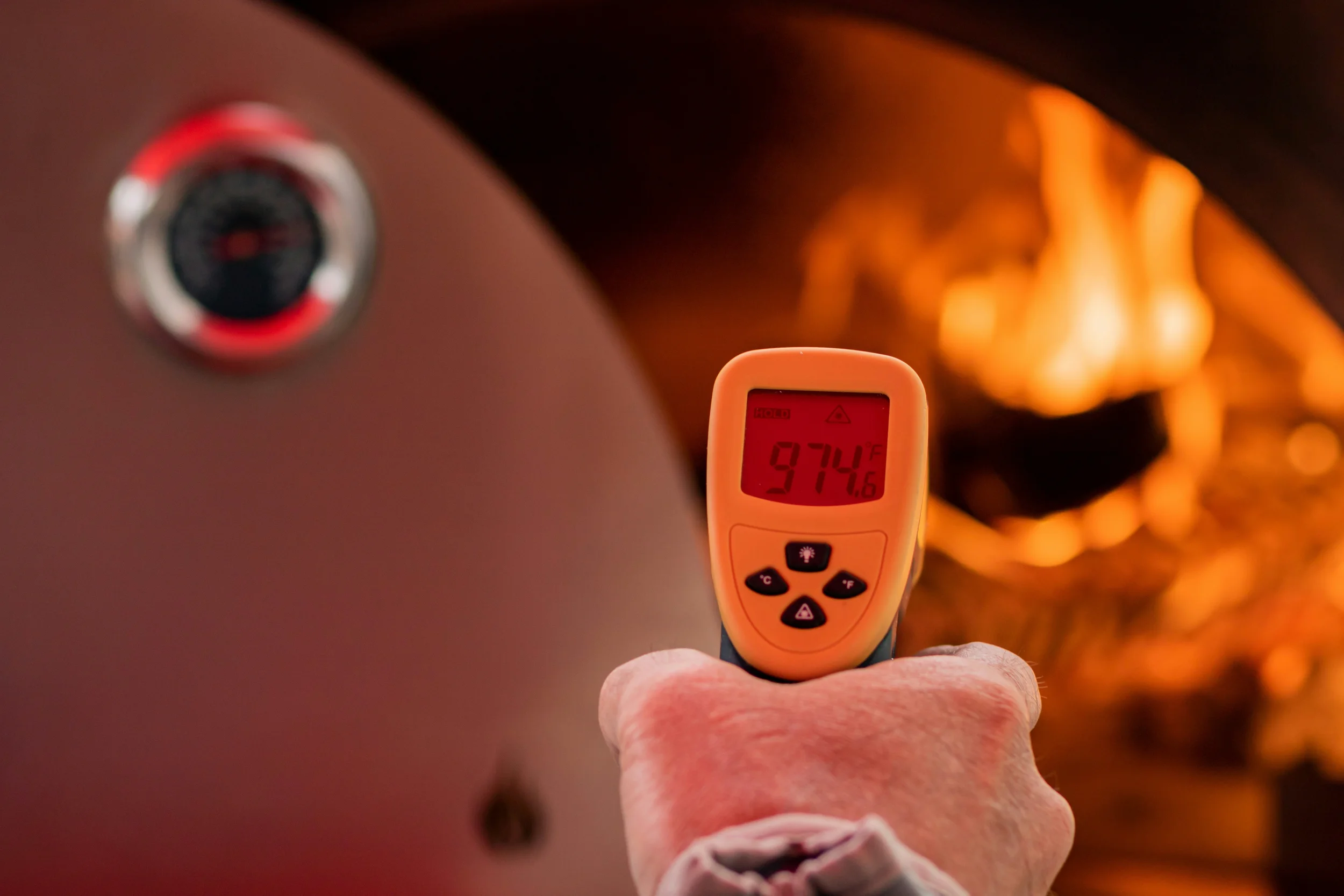
We provide calibration services for a wide range of temperature and humidity instruments, including…
✔ Digital probe thermometers
✔ Infrared and non-contact thermometers
✔ Thermocouples (K, J, T, N and other types)
✔ Glass and liquid-in-glass thermometers
✔ Bimetal and dial thermometers
✔ Body and clinical thermometers
✔ Food and cooking thermometers
✔ Cool rooms and cold stores
✔ Commercial fridges and freezers
✔ Medication and vaccine fridges
✔ Refrigerated vehicles and reefers
✔ Dry heat ovens and combi ovens
✔ Hygrometers and humidity meters
✔ Temperature and humidity data loggers
How a job runs, start to finish
1
ENQUIRE
Call or send a quote request with your instrument type and location.
2
SCHEDULE
Book a time that suits you, including weekends and after hours.
3
CALIBRATE
Our technicians calibrate on-site or in-lab against traceable reference standards.
4
DISPATCH
Calibration certificate issued, usually within 1-2 business days.
Thermometer Calibration for Food Businesses
If you handle potentially hazardous food, Food Standards Code Standard 3.2.2 requires you to have a thermometer accurate to ±1 °C available and to use it. An auditor will ask two things: can you produce the thermometer, and can you show it's accurate? The second question is what calibration answers.
Cool rooms, fridges and freezers: Displayed temperature and actual product temperature are routinely different; the sensor may sit near the evaporator, in a warm spot near the door, or simply have drifted.
Probe thermometers: The workhorse of any commercial kitchen, and the instrument most likely to be dropped, boiled, frozen and dropped again.
Ovens, combi ovens and cook-chill: Where you're relying on a time-and-temperature combination for safety, the temperature half of that equation needs to be verified.
Documentation that survives an audit: Each instrument receives a calibration certificate and a status label with the calibration date and next due date.

Frequently Asked Questions
-
The thermometer (unit under test) is placed in a stable reference environment. This U.U.T reading is then compared with the master reading from a reference thermometer placed in the same stable temperature environment. It is important that the reference thermometer is itself calibrated to standards to ensure traceability in the calibration reports.
-
All industries and organisations that have abide by a quality management system must have their instruments calibrated. Regulatory bodies may have different tolerances for inaccuracies in thermometers used, but this does not mean that thermometer calibration shouldn’t be carried out.
-
Annually is the common baseline, but high-use food probe thermometers are frequently calibrated every six months, and some quality systems specify quarterly. The right interval depends on how heavily the instrument is used, how roughly it's handled, the consequences of an error, and what your auditor requires. Many food businesses combine annual professional calibration with weekly in-house ice-point checks.
-
Many digital thermometers and controllers allow an offset adjustment, and where that's available and the instrument is out of tolerance we adjust and re-verify. Some instruments can't be adjusted (e.g. glass thermometers, bimetal dials and many fixed sensors). For those, the certificate records the actual deviation at each point so you can apply a correction factor, or we'll advise replacement if it's drifted too far to be practical.
-
Yes. Temperature and humidity are frequently measured by the same instrument and both need calibration. We calibrate hygrometers, humidity meters and combined temp/humidity data loggers.
-
You can do a useful sanity check between professional calibrations. Two standard methods:
The ice point method (the more reliable of the two). Fill a container with crushed ice, add just enough cold water to fill the gaps, and stir. Insert the probe into the centre without touching the sides or bottom, wait for the reading to stabilise, and it should read 0 °C. This works because an ice-water slurry sits at a genuinely fixed temperature, independent of your altitude or the weather.
The boiling point method. Water boils at 100 °C at sea level, but the boiling point drops with altitude and varies with atmospheric pressure. It's a reasonable check at the high end provided you account for where you are, which is why the ice point is generally preferred.
Why this isn't a substitute for calibration. A DIY check tells you whether the thermometer is grossly wrong. It doesn't establish traceability to national standards, and produces no documentation an auditor will accept. Use it as a weekly or daily check to catch failures early, and to demonstrate that you're actively monitoring, but you'll still need documented calibration for compliance.