
Flow Meter Calibration Service
Flow meters are crucial instruments that measure fluid flow through a given cross section. Their usage and application expands across a wide range of industries, including food and beverage, water and waste treatment, oil and gas, and production and manufacturing.
Calworld Technologies calibrates various types of flow meters of any make and model, including mass flow meters, volumetric flow meters, electromagnetic flow meters, jet flow meters, positive displacement flow meters, etc.
The team at Calworld Technologies understands and appreciates the critical role flow meters play in ensuring smooth operations of commercial processes and industrial systems. Our experienced technicians can calibrate your flow meters quickly and reliably to the highest level of precision required. The Calworld promise (speed, convenience, affordability) ensures we are accountable to you at all stages of the calibration and/or verification process. Contact us today to receive a quote and book a job!
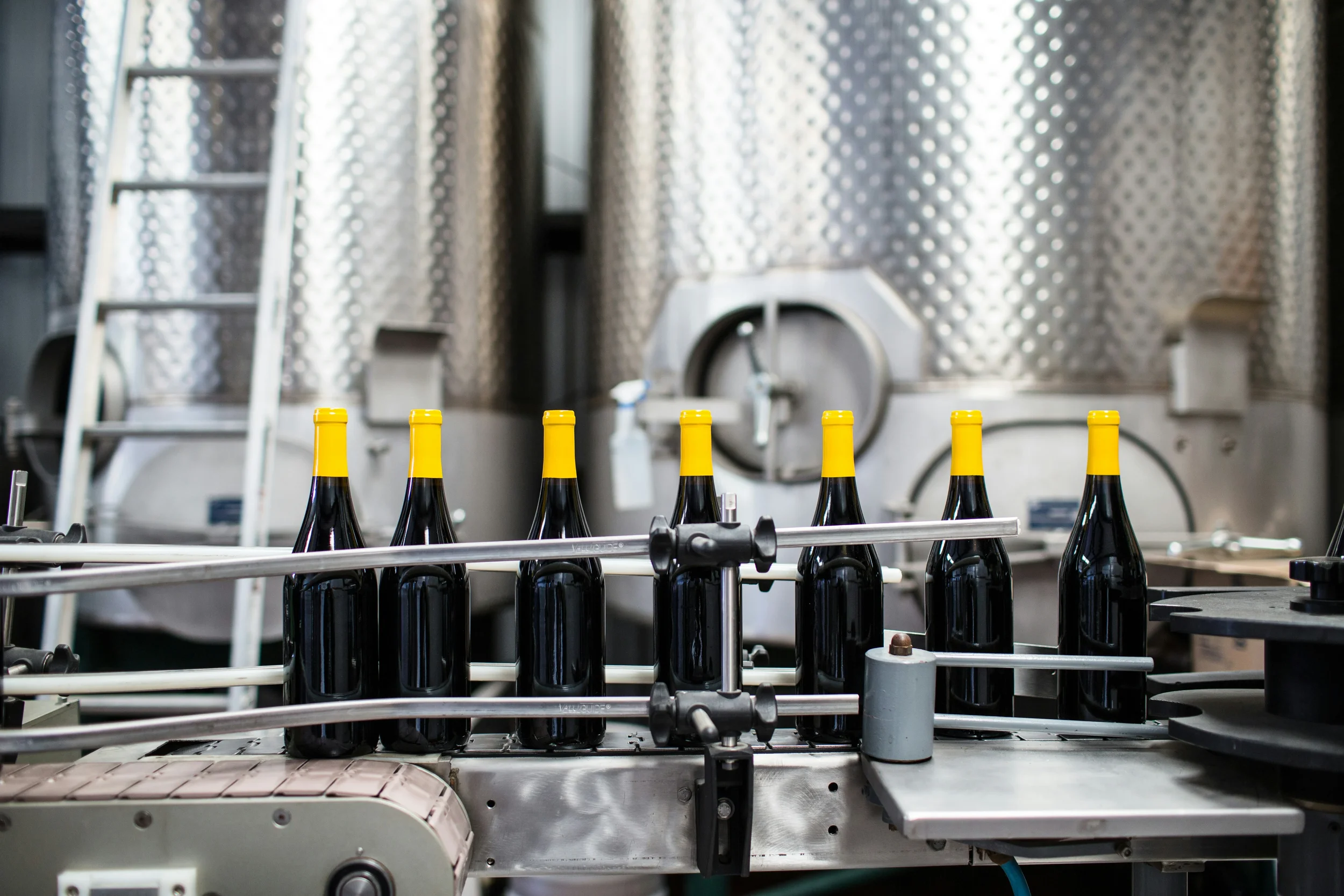
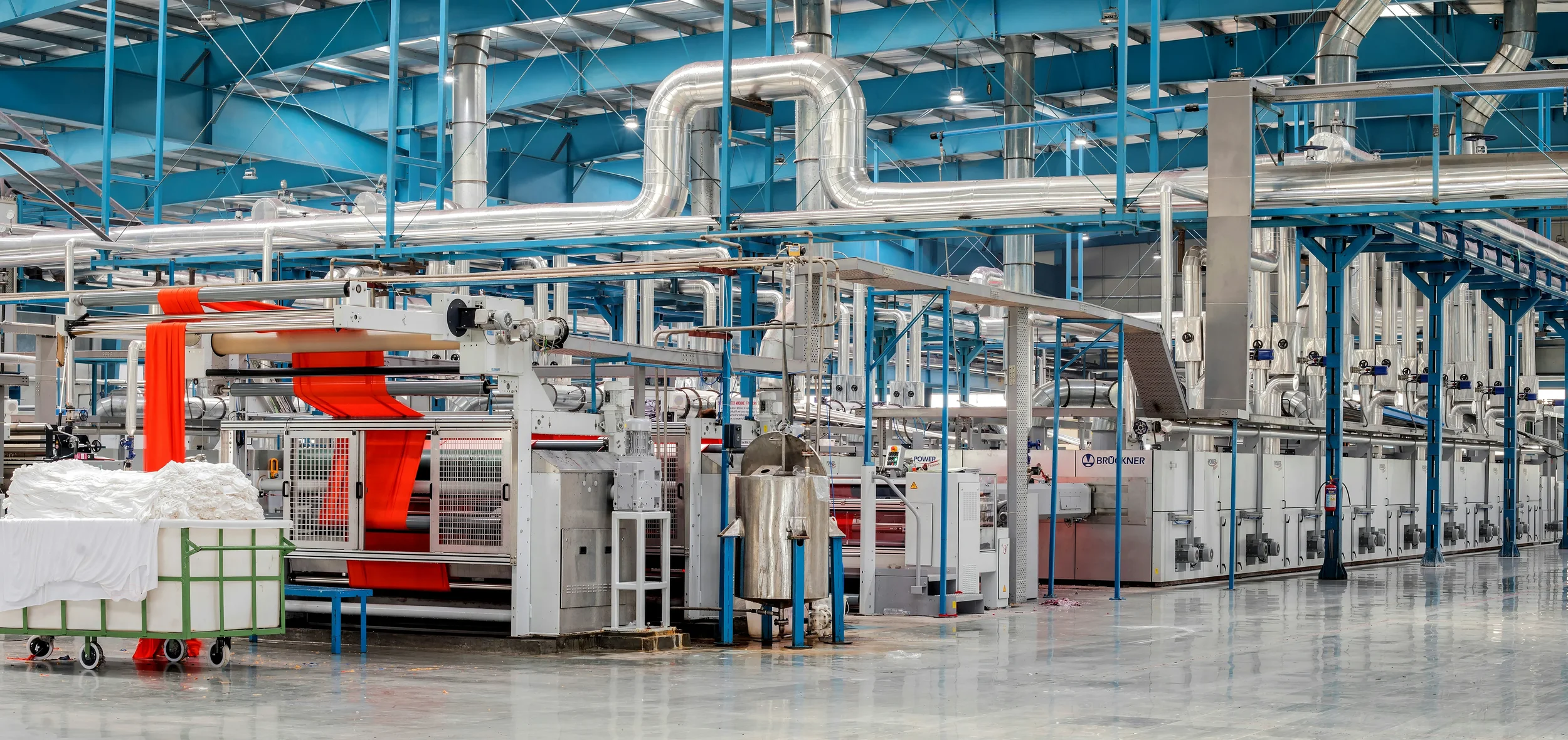
We provide calibration services for a wide range of flow meter instruments, including…
✔ Electromagnetic flow meters
✔ Ultrasonic flow meters
✔ Positive displacement flow meters
✔ Trade waste flow meters
✔ Air flow meters and anemometers
✔ Water flow meters
How a job runs, start to finish
1
ENQUIRE
Call or send a quote request with your instrument type and location.
2
SCHEDULE
Book a time that suits you, including weekends and after hours.
3
CALIBRATE
Our technicians calibrate on-site or in-lab against traceable reference standards.
4
DISPATCH
Calibration certificate issued, usually within 1-2 business days.
Frequently Asked Questions
-
Flow meters require calibration to satisfy regulatory compliance, which helps businesses avoid unnecessary fines. Apart from this, maintaining a regular calibration schedule helps maintain quality control. This boosts product and service quality, which in turn bolsters customer confidence and sales.
Our dedicated team is always ready to assist your calibration needs, whether it is a routine calibration or an on demand urgency. We calibrate flow meters in accordance to national and international standards, such as ISO 17025 and ISO 9001.
-
The business may breach regulations set by an appropriate regulatory body governing the industry they operate in. Apart from breaching compliance, the business may also experience cost blow outs. These costs are two-fold: increased operational expenditure and loss of customers. Although the cost of fluid flowing may be relatively low, the cumulative value over the span of a year may be in the millions of dollars. An inaccurate reading can translate to customers losing trust in the business' processes, which can be detrimental in the long run.
Calworld Technologies' unrivalled workmanship will ensure that all your needs are satisfied to the highest standard. Our experienced and friendly staff can also set up a calibration schedule to meet your requirements.
-
Annually is a common baseline, but the right interval depends on the application. Meters in clean water at steady flow can hold accuracy for years; meters handling slurries, abrasives, fats, chemicals or fluids that coat the pipe wall can drift within months. Custody transfer and trade applications generally require more frequent verification. Your calibration history is the best guide. If a meter comes back within tolerance repeatedly you can justify extending the interval, and if it drifts you should shorten it.
-
Usually not. Most in-situ calibrations are performed with the process running, using clamp-on ultrasonic reference measurement or a master meter in series. Full shutdown is generally only needed if the meter must be removed for bench calibration or if the installation requires physical modification. Tell us about your installation and we'll confirm before we quote.
-
Yes, that's what in-situ calibration means, and for large-diameter, buried or welded installations it's often the only realistic option. In-situ testing has a genuine advantage beyond convenience: it captures installation effects such as insufficient straight pipe run or partially filled pipe, which bench calibration cannot detect and which are a common cause of real-world error.